


Digital Transformation Through Collaborative Change Management
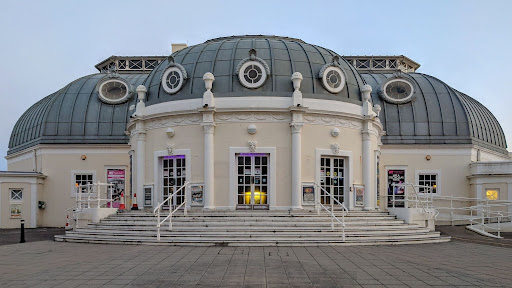
Digital transformation for theatre and museums
Worthing Theatres and Museum (WTM) is a cultural organization with four historic venues on the south coast of England. When they moved out of local council control to a charitable trust, they also took the opportunity to make the switch to Spektrix.
At the 2025 UK Spektrix Hubs, Director of Marketing & Sales Kevin Quilty explained how he drove digital transformation – not just in the technology the team used, but in how effectively they used the system, support, and shared knowledge to drive real impact.
Fragmented digital knowledge management
When Kevin joined WTM 18 months earlier, he found teams were working in silos with no centralized approach to managing their digital strategy.
No one had clear accountability for managing the database, resulting in a messy, overcrowded interface. For an organization with five auditoriums, they’d created a baffling number of ticket designs, seating plans, and customer lists – along with so many offers they couldn’t even report on them.
There was no consistent approach to event setup, projects were started but not finished, and individuals were building customized approaches and bespoke reports that weren’t updated when fields or approaches changed. The website was not customer friendly, and there was no clear central customer view. Each tech tool existed in a silo, and there was little collaboration between marketing and sales, or with Spektrix as a core technology partner for projects or day-to-day work.
Kevin took things back to basics. He set out to re-establish a shared approach across the organization, and to reset the team’s relationship with Spektrix.
Instead of working in silos, the goal was to work in collaboration, making full use of the software support and consultancy services that Spektrix could offer at no additional charge.
-
123
ticket designs
-
104
seating plans
-
1,400
active customer lists
Managing digital transformation
Kevin reached out to Spektrix for an open conversation, in which he shared the venues’ digital ambitions and strategic goals for audiences and growth.
The Spektrix team suggested starting with a system health check, a service designed to audit, clean, and streamline system setup to keep things running efficiently.
As a marketer, Kevin’s first step was to build his knowledge of the admin and ticketing tools in the back end of Spektrix. With that information, he could help the team understand what they were doing, and even more importantly, why they had chosen to do it that way.
Along the way, he identified a series of improvement areas which would lead to better management of digital expertise.
- Clearly defined ownership
The marketing and sales teams were trying to accommodate everyone across the organization. This meant they’d created workarounds for colleagues, producers, and promoters – making life easier for others, but harder for themselves. - Customer-first decisions
Without clear goals and a digital strategy, the team had developed a confusing customer flow on online channels. - Knowledge sharing
The health check identified gatekeepers of knowledge across teams – many key decisions were not shared with the wider marketing or development teams.

Like most organizations, WTM always talk about digital transformation, but they did it without setting a clear brief. This is where Kein came along. Digital transformation was at the heart of his job description. He had clear objectives from the board and exec to improve internal efficiencies and customer experience. But first he had to rebuild and reset our relationship with Spektrix, and make that the central platform for WTM's digital transformation strategy.Kevin Quilty
Director of Sales & Marketing
Collaborative working practices
To deliver these improvements, Kevin and the Spektrix team identified a series of steps toward digital transformation across Worthing Theatres and Museum.
Their focus was not on introducing new technologies – they were confident that they already had the best possible software for their needs. Instead, their strategy centered on improved collaboration, making the best possible use of shared experience and software support services.
Training
The team developed a collective training plan that considered cross-business knowledge and the specific requirements of marketing and ticket sales experts. Through shared learning, the team enhanced their knowledge and developed more effective working practices, removing friction between departments.
Experience
Marketing team members began working one shift each month at the ticket sales counter to develop the relationship between the two sides of the same team. This was also an opportunity for the marketing side to gain first-hand experience with customers face-to-face, and to use the sales interface in Spektrix.
Involving Spektrix
As they grew to recognize the scope of expertise available to them, the team agreed that they’d involve Spektrix at the beginning of any new project. When they put out requests for proposals for a new website, a member of the Spektrix team worked with them to develop their brief and help validate responses, based on their specific requirements.
The impact of digital transformation
This new, collaborative approach to technology has already transformed the experience of audiences and team members at Worthing Theatres and Museum.
With the support of his team, board, and technology partners, Kevin’s strategy for success is well underway. Already they have:
- Launched their new website, working with consultants from Spektrix and Supercool to deliver improved customer journeys.
- Mapped out how each department uses Spektrix, implemented and reviewed the training required.
- Streamlined seating plans, in partnership with TRG Arts.
- Reduced ticket designs from 123 to just 12.
- Adopted integrated partner products including crowdEngage, Activity Stream, and Yesplan.
- Adopted new Spektrix functionality including digital ticket passes and Spektrix Payments.
- Developed a shared approach for understanding customer data.
- Established clear internal ownership of Spektrix and collective problem solving.
We’ve got down to 12 ticket designs, it’s amazing! There was a lot of back and forth between me and the team and they embraced that challenge, but it was ridiculous that we had so many. And it’s meant that we can deliver training, so everyone who works on the ticketing side can set up an event because we’ve simplified it and gone back to basics.Kevin Quilty
Director of Sales & Marketing
What's next?
These achievements marked the first phase of a roadmap for digital transformation, aligning with WTM’s audience development strategy, “From Stranger to Champion.”
- Streamline event setup through Spektrix and Yesplan.
- Use the health check as a framework for ongoing system maintenance and training for all staff.
- Asking customers how they want to interact with the venues, drawing on both quantitative and qualitative data.
- Using more digital marketing tools in Spektrix and Dotdigital to curate customer journeys – moving them from strangers, to repeat bookers, to supporters and ultimately champions.
- Listening, learning, and remaining agile in the way the teams work together.
“Digital transformation shouldn’t be seen or managed as a technical project. If it is, it will fail. You’ve got to manage it as a change management process. You need to acknowledge that people change at different paces within your team, and that everyone needs to come along on the journey.
So get your Board or Exec on board at the beginning. Remember that resetting partnerships is just as important as software. And finally, don’t let ‘done’ get in the way of ‘better.’
Take your time until the outcome is the best for you, your team, and the organization as a whole.” said Kevin.
