


Transforming a Fundraising Membership Programme With a Small Team
Rethinking loyalty from the group up
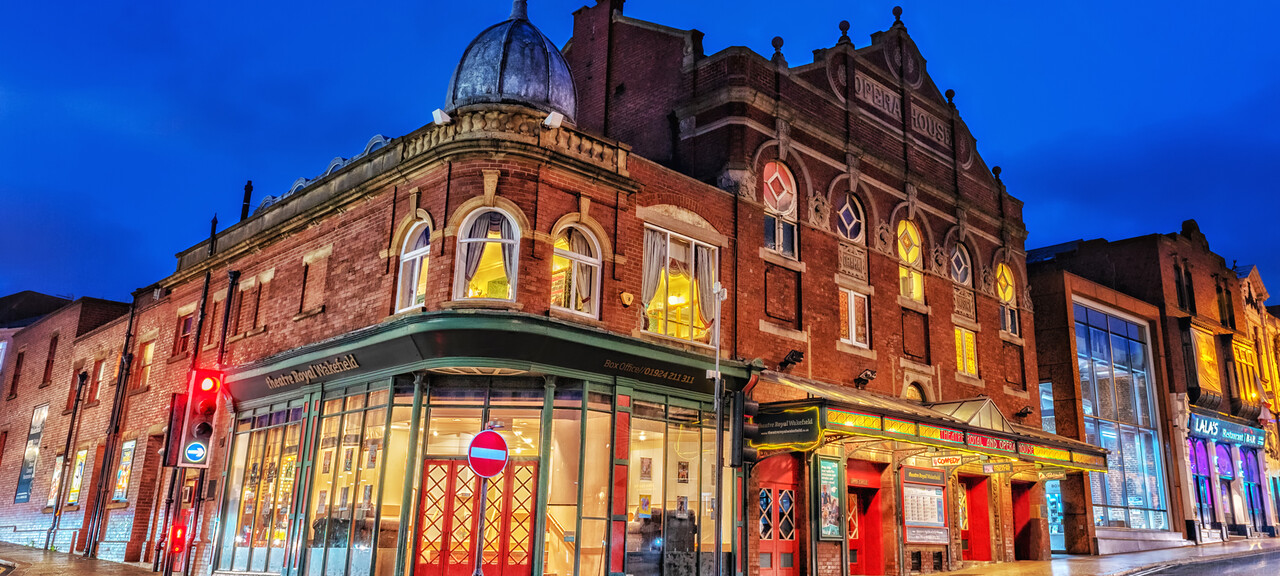
Theatre Royal Wakefield is a traditional Victorian theatre, home to a vibrant and varied programme of produced and touring work. Its year-round season includes shows for families and for fans of music, drama, comedy, and more.
At the 2025 UK Spektrix Hubs, Head of Development Sarah Shooter explained how her small development team rebuilt the theatre’s fundraising membership programme. By making better use of audience segmentation, personalised communications, and reporting in Spektrix, they grew income and deepened loyalty, without adding headcount.
Sarah has worked in fundraising for over 30 years, and she’s passionate about connecting people with the theatre and growing income. At Theatre Royal Wakefield, she’s responsible for every aspect of philanthropic income – individual giving, corporate giving, trust and foundation applications, events, and, of course, the fundraising membership programme.
The theatre’s existing membership programme, Member+, faced real challenges. Its place within the organisation was unclear, which led to a lack of ownership and direction.
The programme wasn’t serving the theatre or its most loyal audience members and donors well, and it needed a thorough rethink to reach its potential for building income and loyalty. So Sarah and her team took the time to reassess the scheme from the ground up, and to agree what they wanted it to achieve.
The team set three clear goals for the programme:
- Build loyalty and support: respond to how much audience members already valued the theatre.
- Grow income: increase revenue across memberships, ticket sales, the bar, and more.
- Create a sense of community: make every donor feel valued through personal stewardship and a genuine feeling of belonging.
-
+443%
growth in memberships
-
80–90%
membership retention rate
-
£144,479
ticket income generated by members
Making the change: audience segmentation and targeted communications
With their goals defined, Sarah and the team built a plan around the audience relationships they already had. They created a five-tier membership programme, then used booking and donation history in Spektrix to divide thousands of potential members into more than twenty segments. Because that data was already connected in one system, they could craft personalised communications for every segment to introduce the scheme.
Cleaning up connected data
To segment accurately and report on impact, the team first tidied up their data. This meant:
- Cleaning up old tags, keeping only those actively in use.
- Removing old reports to focus on useful, actionable data.
- Setting up a routine to audit the system regularly.
- Making better use of autotags so records reflect live activity.
Along the way, the team spotted more opportunities to use Spektrix for fundraising. Using standard system reports alongside their own knowledge of supporters, they enriched their donor records to understand which shows people attended and which benefits they used most. With a team of just 1.5 people, efficiency was vital, and clean, connected data let them create personalised, automated communications that built a real sense of connection with minimal resource.

We took the time to personalise letters, and we really reaped the benefits. It took a long time to do, but in the first year we moved the membership fees from £3,000 to £8,000.Sarah Shooter
Head of Development, Theatre Royal Wakefield
Surprise and delight: building loyalty and retention
To learn what mattered most, the team introduced a range of activities designed to bring members into the theatre for reasons beyond the shows themselves. Some experiences were reserved for higher tiers, helping those members feel recognised and giving those on lower tiers a clear reason to upgrade, which several did.
Membership incentives included:
- Behind-the-scenes tours.
- Dress rehearsals.
- Season launch events.
Sarah quickly spotted that some members joined mainly to access priority booking for a single, big-name act, such as comedian Jason Manford. They rarely returned for another show, let alone for members-only invitations.
While the programme attracted some of the theatre’s most frequent attenders, a small number of members didn’t buy tickets at all. Their reasons for supporting the theatre were simply different.
Some felt they were too old to attend but still wanted to support the theatre. Others were too busy, yet called Sarah from time to time to make an additional donation. Every one of them mattered. By combining personal knowledge of their audience with connected ticketing and donation data, the team could understand these different motivations and design segments that included every potential supporter.
We worked really, really hard to understand how we could surprise and delight those groups. We taped welcome letters to people's chairs when they arrived, with an extra voucher for an ice cream. We used Spektrix to send out personalised emails highlighting other acts that we thought might be of interest to them. And that's how we've achieved 80% member retention.Sarah Shooter
Head of Development
Promoting memberships everywhere
The team added large, highly visible signage around the building to help members see the vital work they were supporting, showcasing what goes on behind the scenes, in participation work, and in the studio. At members’ request, they created simple merchandise – badges and pens – to recognise supporters. And, working with the marketing team, they added a membership reminder to pre-event emails and ticket designs, which proved a real success.
By combining connected data with a personal touch, even the smallest development team can build a fundraising membership programme that grows loyalty, income, and a lasting sense of belonging.
It's really important in fundraising to track trends and understand what people want. It's ok that sometimes people don't do what you expect them to do. That's all ok, as long as they're still giving me money, because I am a fundraiser after all.Sarah Shooter
Head of Development
-
99 → 439
increase in membership numbers
-
£3,000 → ~£19,000
growth in membership year on year
-
8%
of annual ticket income comes from members
Building fundraising membership programmes in Spektrix
These improvements were possible thanks to a small, dedicated team and a connected system that linked donation history, ticket purchases, and external platforms like JustGiving in one place. Here is Sarah’s step-by-step guide:
- Log personal details and donation history against customer records.
- Pull in additional data from ticket sales and offline donations.
- Use tags to consistently identify audience segments.
- Use reports to track attendance among existing and potential members.
- Surprise and delight members: pop down to say hello, send birthday treats, or offer an ice cream, some sweets, or a glass of wine.
- Look for trends, and get to know which shows your members attend.
- Personalise and automate your communications.
- Keep exploring ideas: however small your team, there’s always something more you can achieve.
Members bought £144,479 worth of tickets. That's 8% of our overall ticket income for the year, and our members only make up 2.5% of bookers. That really shows the value our members are bringing to us. They're really making a massive difference.Sarah Shooter
Head of Development
